A stump looks harmless when you first cut a tree, almost like a short table standing in the yard. Live with it a season or two and the story changes. Mower blades catch on high roots, ants show up, a child trips during tag, and grass thins around the wood as it dries and crumbles. Stump grinding solves these problems quickly, and when it is done well, the repair blends into the lawn so cleanly that guests forget a tree ever stood there.
I have ground hundreds of stumps in small backyards, tight side lots, and sloped front yards, including plenty around Akron’s older neighborhoods where roots creep under sidewalks and private laterals. The difference between a “good enough” grind and a proper one shows up six months later, when the chips settle and the lawn either turns patchy or stays smooth. Speed matters, but so does judgment. This guide explains how a professional tree service approaches quick stump grinding, what really counts in the finish work, and how to avoid the traps that turn a quick job into a repeat visit.
Why speed matters, but finish matters more
Most homeowners call for stump grinding because something else is waiting behind it. They want a level yard for fall leaf cleanup, or they plan to reseed before spring. Sometimes they are finishing a full tree removal after a storm. In Akron and the surrounding suburbs, fescue and bluegrass germinate reliably when soil temperatures sit in the 50s and 60s, which usually happens mid spring and early fall. Missing that window can cost months.
Fast turnaround, however, can tempt crews to grind shallow and leave a volcano of chips. That pile looks tidy in a photo, then sinks unevenly and robs nitrogen as it decomposes. A quick job that ignores cleanup will be back on your schedule later, and often at a higher cost. The goal is to grind once, clean once, and establish turf or hardscape over a base that will not move.
When quick stump grinding makes the most sense
- You plan to reseed or sod in the next 2 to 6 weeks. A project depends on clearance, such as a fence line or patio base. Surface roots are damaging mowers, sprinklers, or edging. You are closing out tree removal and need smooth ground for real estate photos or inspection.
What “quick” looks like in real time
On a typical suburban lot, a modern, wheeled grinder handles a 20 to 24 inch stump in 30 to 60 minutes, including setup and basic cleanup. Larger stumps, odd species with dense heartwood, or sites with rock can stretch to two hours or more. If access is tight, add a few minutes for maneuvering or bringing in a tracked grinder with a narrower width. Multiple stumps compound the time, but not linearly. A three stump job that fits in one setup often runs 90 minutes to 2 hours.
For speed, the crew wants clear access within 36 to 48 inches, a level place to position the machine, and no metal or stone in the grinding path. Hidden spikes, old fencing, or rebar from a past landscape project are the common time killers. A single strike on metal dulls teeth and slows production for the rest of the day. Good tree service crews carry a magnet, dig bars, and replacement teeth for those surprises, but you save everyone time if you flag what you know.
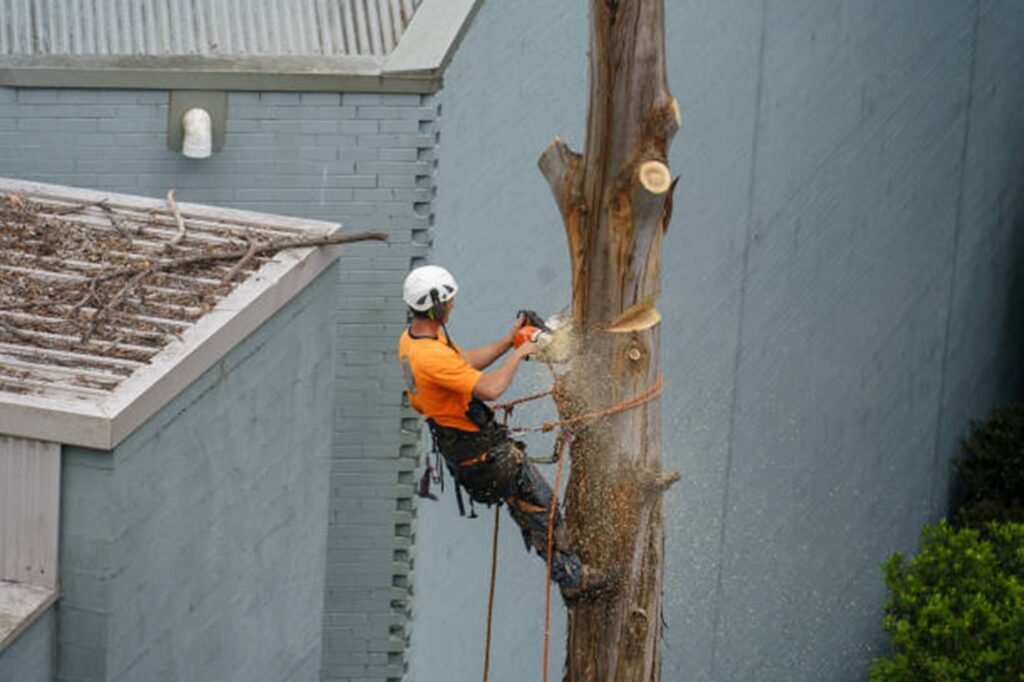
Depth, diameter, and the truth about roots
People ask how deep we grind, and the right answer is tied to your plan for that area. If you are seeding grass, we target 6 to 8 inches below grade across the stump footprint, then chase main surface roots out to the drip line where they present a hazard or interfere with landscaping. If a patio, walkway, or shed pad is going in, we push to 10 to 12 inches in the center and open up the root flare so your base gravel has room. Deeper grinding costs more because chip volume rises fast. An extra 2 inches can add several wheelbarrows of chips on a mid sized stump.
Grinding does not remove every root. Lateral roots can run 10 feet or more for old oaks and maples around Akron’s tree lawns. They do not regrow into trees after the trunk is gone. They will, however, rot at their own pace. Where roots have lifted a sidewalk panel or heaved a driveway edge, plan the hardscape repair with the understanding that wood below may still exist. Sometimes we trench and remove those sections by hand to keep a new slab from settling.
The Akron factor, including utilities and tree lawns
Older Akron streets, especially in Highland Square, Firestone Park, and North Hill, have mature trees planted in the tree lawn between curb and sidewalk. The city’s ordinances and responsibility split can vary by address and species. Before you schedule grinding in that strip, make two calls. First, contact the city or check current guidance on street trees and permits. Second, call 811 to have underground utilities marked. In Ohio, 811 needs at least 48 hours during business days. It is free, and it prevents the worst kind of mistake.
Private sewer laterals and sprinkler lines also matter. Many laterals run right under backyards where a previous owner planted a shade tree. A cautious crew will avoid deep grinding over suspect lines or will probe by hand. Mark any known irrigation valve boxes and shallow wire for dog fences or lighting. I have seen invisible pet fence wire wrapped three times around a cutter wheel in less than ten seconds, enough to pause the job while we clean it out.
Equipment choices, and why it affects your lawn
There is a place for both wheeled and tracked stump grinders. Wheeled units float well on firm, dry ground and move quickly between stumps. Tracked grinders distribute weight better on wet or soft soils, which saves your lawn in spring or after a storm. A tracked machine can also climb gentle slopes without spinning ruts. Both styles come with cutter wheels that turn tree service chips into a fluffy blend of wood and soil. A sharp set of teeth cuts cleanly, which keeps heat down and reduces the risk of glazing the stump face.
For tight urban yards, a compact grinder that fits through a 36 inch gate is a lifesaver. It will be slower on large hardwoods, but it avoids removing fence panels or driving a heavy machine over your septic field. When a tree removal Akron customer asks for speed and minimal disruption, I often bring both types. Start with the compact unit in the back, finish with the larger grinder in the front, and keep the day moving.
Pricing that makes sense
Every company prices a little differently, but the main drivers are stump diameter at ground level, species hardness, access, and cleanup scope. Softwoods and poplars grind quickly. Old locust, sweet gum, or knots from storm breakage chew up teeth and time. In the Akron area, a single, open access stump in the 16 to 24 inch range often lands in the 150 to 300 dollar bracket for grind and rough rake. Add more for deep grinding, full chip removal, and topsoil with seed. Multiple stumps priced as a group usually come at a discount compared to piecing them out.
Beware bids that promise half the going rate without clear terms. Many times those crews grind shallow and skip the chip management, which leaves you with a sunken spot and a nitrogen hungry patch that stays yellow. You can pay once for a complete finish or twice for a do over.
Why chip management is the quiet difference maker
Fresh chips are mostly carbon. Mix a thick layer into the topsoil and the microbes that decompose it will borrow nitrogen from the surrounding soil. Grass then starves, even if you water. This is the single most common reason a “finished” stump site looks thin six weeks later.

If you want a smooth, level lawn fast, treat chips as a material to be managed, not a mulch to be buried. I prefer to rake and scoop the bulk of chips out, then backfill the hole with screened topsoil or a topsoil and compost blend. If we must reuse some chips for grading, I keep them shallow, top dress with soil, and add a starter fertilizer with nitrogen at the label rate. For sod, I remove chips completely, compact native soil lightly, and set a 2 to 3 inch bed of quality topsoil so the sod knits quickly.
How to prepare for a fast, safe stump grind
- Call 811 and mark private utilities, irrigation, and pet fence wires. Remove rock borders, bricks, and metal edging within 3 to 4 feet of the stump. Trim turf around the stump short to improve visibility and reduce cleanup. Create a clear path at least 36 inches wide if possible, including gate access. Decide beforehand whether you want chip removal, soil backfill, and seeding.
The day of the job, what to expect
The crew will walk the site with you and confirm the plan. We measure the stump at grade, note hardscape or foundation distances, and flag anything to avoid. A ground cloth or plywood often goes down where chips would otherwise spray. If a grinder sounds like a small plane taxiing, that is normal. The cutter head moves side to side in thin passes, stepping down a couple inches at a time. On dense hardwoods, you may see steam on cool days as moisture flashes off.
Good operators pause every few passes to rake chips aside and check depth, especially near sidewalks, curbs, or shallow roots you want gone. When the stump face reaches the target depth and the flare is feathered into native soil, the machine backs away and cleanup starts. If you chose chip removal, expect wheelbarrows, tarps, and a bit more time. Topsoil goes in last, raked slightly high to allow for modest settling.
Aftercare that keeps the area smooth
A clean grind is only the first chapter. Soil settles over weeks, even months, particularly in rainy periods or where deep roots decomposed rapidly. I tell customers to plan a quick rake and top up two or three times in the first season. If you seeded, keep the area evenly moist for 3 to 4 weeks. Sod needs daily watering for the first 7 to 10 days, then taper as it roots. Where kids and pets run, a temporary fence or flags help the spot survive.
You may see mushrooms in the area during damp spells. They feed on subsurface wood and usually vanish on their own. Mowing over them or hand removing is fine. If chips were mixed into the soil against advice, supplement with a light nitrogen application to help the grass outrun the deficit. A 10 10 10 or similar balanced fertilizer at modest rates can steady growth, but do not overdo it.
Edge cases: when grinding is not the answer
There are a few situations where stump grinding should pause, or pivot to a different plan. If the stump sits within a foot of a block foundation, heavy grinding can disturb the backfill and open a path for water. Hand excavation and cautious, shallow grinding combined with a landscape feature may suit better. If utilities are mismarked, wait for a remark rather than guessing. In rare cases, a stump so deeply flared between roots can leave a cavity under a sidewalk once it is removed. Consider foam fill, compacted gravel, or a different design before that walk settles.
Treated wood posts inside old stumps used to be a trick for mailbox replacements. Grinding into that mix can push treated fragments into soil where you plan to garden. Flag those spots and discuss disposal. Finally, if you want to mill a special log from a tree removal, keep the stump a little tall during felling so the sawyer has clean wood for slabs. Grind later when the milling is done.
Integrating stump grinding with broader tree service
A well run tree service looks at the property as a system, not a series of isolated tasks. If you are planning tree removal on two maples and a spruce, consider the grinding logistics during the initial site visit. We can fell with an eye to chip containment, avoid pushing debris into beds you want protected, and schedule grinding once heavy equipment has finished so we do not disturb a fresh soil patch. In storm damage cleanup, where a trunk may have snapped low and splintered, stump conditions vary. Torn fibers take longer to grind and send slivers farther. We often tarp nearby beds or siding to protect against that scatter.
For customers seeking tree service Akron wide, bundling tree removal, stump grinding, and final lawn repair with one contractor reduces gaps and finger pointing. If the same team that felled the tree returns with the grinder, they already know root layout and site sensitivities from day one.
Species notes from the field
Stumps are not all equal. Ash, after EAB infestation, often grinds easily because the wood is already brittle. Silver maple makes quick work but can have long surface roots that surprise you across the lawn. Norway maple hides a dense, shallow root plate that requires patience to feather out. Honey locust, with its hard, knotty heartwood, eats teeth and time. Pine and spruce grind fast but leave resinous chips that are slow to break down. Make decisions about chip reuse with species in mind. Resin heavy chips will not help a perennial bed this year.
Age matters too. A fresh stump resists more than one that sat a season. If you are not in a rush and the stump is in a low traffic corner, waiting through one freeze thaw cycle can make the grind faster and cheaper. On the flip side, if you plan hardscape, do not let roots sit long under a future slab. Early removal and proper base compaction prevent settlement.
Access challenges and how we solve them
Not every yard lets a grinder roll right up. Fences without removable panels, narrow alleys, or steep steps complicate things. In those cases, we evaluate whether a smaller grinder can do the job in place, or whether partial disassembly and reassembly of a fence is smarter than tearing up turf with awkward angles. Laying down plywood paths across soft ground protects the lawn and speeds cleanup. If a stump sits three feet from a new stamped concrete patio, we build chip guards and grind with slower, shallow passes to avoid accidental scuffing.
In hillside lots, gravity wants to pull chips downhill and into beds. A simple catch berm with soil, or a tarp anchored uphill, keeps the mess contained. Plan for where the chips will go before the first pass. That alone saves twenty minutes of raking at the end.
Safety culture you can see
Competent crews treat stump grinding with the same respect as tree removal. Expect hearing and eye protection, gloves, and chaps at a minimum for the operator. The work zone should be coned off or flagged, with pets and children kept inside. Good practice includes a fire extinguisher on the truck. Grinding produces heat, and in dry August grass, I have seen a stubborn ember smolder under a chip pile. We rake down to mineral soil and wet the area if conditions call for it.
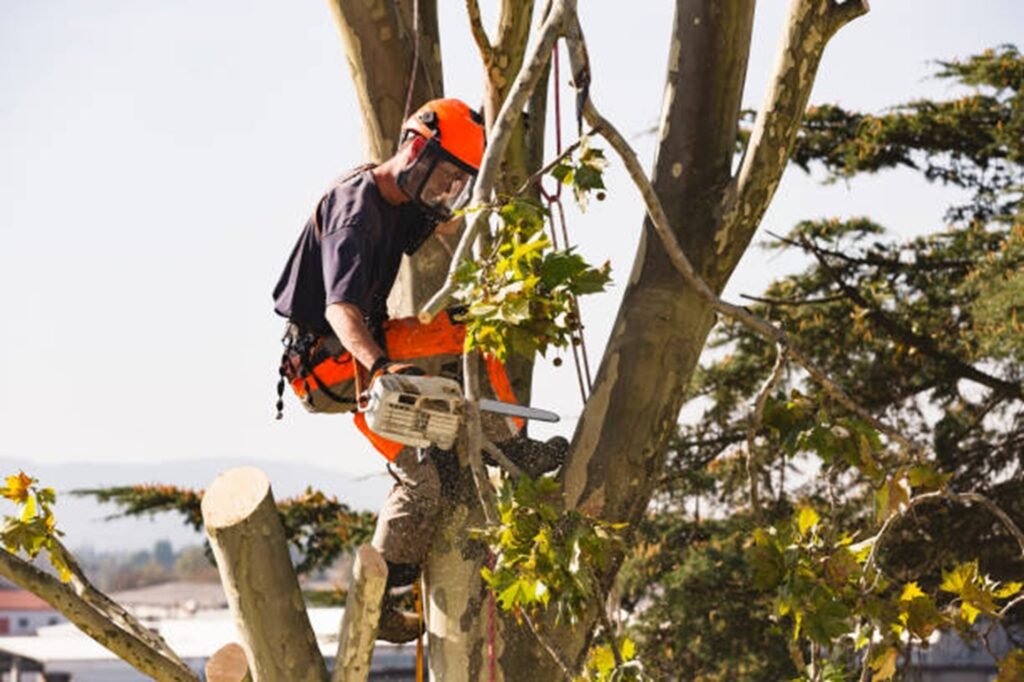
If you hire out, watch for how the crew handles shutdowns. A machine should spin down fully before anyone reaches in to clear debris. Replacement teeth should be torqued and inspected, not hammered on loosely. These small habits separate pros from side hustles.
Choosing the right partner for the job
Plenty of companies promise quick stump service. The right partner balances speed with finish quality and communicates trade offs before work starts. Ask about depth for your intended use, chip removal options, and whether they will backfill and seed. Clarify access, utility marking, and how they protect nearby features. For those searching specific terms like tree removal Akron or stump griding after a storm, vet providers with photos of before and after work, not just action shots of machines.
If the same company handled your tree removal, let them quote the grind. They already know the site, and a combined invoice often saves money. For storm damage cleanup, where timing is tight, pick a crew that can stabilize hazards first, then return for a clean grind when marks and conditions allow. Good scheduling beats rushed mistakes.
A brief case story from an Akron backyard
Last fall, a family in Ellet removed a storm split silver maple that stood between a playset and a fence. The stump sat 18 inches from a sprinkler valve box and four feet from a shallow French drain. They wanted sod down before the first frost. We called 811, marked the private lines they knew, then ground to 8 inches in the center and feathered surface roots to grade across a 7 foot circle. Instead of burying chips, we hauled all of them, set 2 cubic yards of screened topsoil, and sodded the same day. In April, that patch was indistinguishable from the rest of the lawn. The extra hour to remove chips and import soil prevented the sinkhole effect that often shows up after winter heave.
Two weeks later, a neighbor tried a bargain grind on a larger stump, left the chip pile, and seeded over it. By May, the area had sunk two inches and turned yellow. We returned, pulled the chips, refilled with soil, and reseeded. It cost more than if it had been done right up front, and they lost a season.
Tying it back to the lawn you want
A smooth, level lawn after tree work is not luck. It is a chain of small choices, each one easy to do right when you know where problems start. Mark utilities. Choose the right grinder for the access and soil. Grind to the depth your next project needs. Remove, do not bury, the bulk of chips. Backfill with quality soil, leave the grade a hair high, and nurse the area through its first month. With that rhythm, quick stump grinding is exactly what it sounds like, a fast path back to a yard that works.
If you are planning tree removal or need a full tree service, including storm damage cleanup, ask for a package that ends with a lawn you would mow barefoot. Whether you are calling a tree service Akron provider for a single stump or one of those end to end jobs after a summer squall, insist on a clear plan from cut to grass. Quick should never mean careless. It should mean efficient, thought out, and done once.
Address: 159 S Main St Ste 165, Akron, OH 44308
Phone: (234) 413-1559
Website: https://akrontreecare.com/
Hours:
Monday: Open 24 hours
Tuesday: Open 24 hours
Wednesday: Open 24 hours
Thursday: Open 24 hours
Friday: Open 24 hours
Saturday: Open 24 hours
Sunday: Open 24 hours
Open-location code: 3FJJ+8H Akron, Ohio Map/listing URL: https://www.google.com/maps/place/Red+Wolf+Tree+Service/@41.0808118,-81.5211807,16z/data=!3m1!4b1!4m6!3m5!1s0x8830d7006191b63b:0xa505228cac054deb!8m2!3d41.0808078!4d-81.5186058!16s%2Fg%2F11yydy8lbt
Embed:
https://akrontreecare.com/
Red Wolf Tree Service provides tree removal, tree trimming, stump grinding, storm cleanup, and emergency tree service for property owners in Akron, Ohio.
The company works with homeowners and commercial property managers who need safe, dependable tree care and clear communication from start to finish.
Its stated service area centers on Akron, with local familiarity that helps the team respond to residential lots, wooded properties, and urgent storm-related issues throughout the area.
Customers looking for help with hazardous limbs, unwanted trees, storm debris, or overgrown branches can contact Red Wolf Tree Service at (234) 413-1559 or visit https://akrontreecare.com/.
The business presents itself as a licensed and insured local tree service provider focused on safe workmanship and reliable results.
For visitors comparing local providers, the business also has a public map listing tied to its Akron address on South Main Street.
Whether the job involves routine trimming or urgent cleanup after severe weather, the company’s website highlights practical tree care designed to protect homes, yards, and access areas.
Red Wolf Tree Service is positioned as an Akron-based option for people who want year-round tree care support from a local crew serving the surrounding community.
Popular Questions About Red Wolf Tree Service
What services does Red Wolf Tree Service offer?
Red Wolf Tree Service lists tree removal, tree trimming and pruning, stump grinding and removal, emergency tree services, and storm damage cleanup on its website.
Where is Red Wolf Tree Service located?
The business lists its address as 159 S Main St Ste 165, Akron, OH 44308.
What areas does Red Wolf Tree Service serve?
The website highlights Akron, Ohio as its service area and describes service for local residential and commercial properties in and around Akron.
Is Red Wolf Tree Service available for emergency work?
Yes. The company’s website specifically lists emergency tree services and storm damage cleanup among its core offerings.
Does Red Wolf Tree Service handle stump removal?
Yes. The website includes stump grinding and removal as one of its main tree care services.
Are the business hours listed publicly?
Yes. The homepage shows the business as open 24/7.
How can I contact Red Wolf Tree Service?
Call (234) 413-1559, visit https://akrontreecare.com/.
Landmarks Near Akron, OH
Lock 3 Park – A well-known downtown Akron gathering place on South Main Street with year-round events and easy visibility for nearby service calls. If your property is near Lock 3, Red Wolf Tree Service can be reached at (234) 413-1559 for local tree care support.
Ohio & Erie Canal Towpath Trail (Downtown Akron access) – The Towpath connects downtown Akron to regional trails and green space, making it a useful reference point for nearby neighborhoods and properties. For tree service near the Towpath corridor, visit https://akrontreecare.com/.
Akron Civic Theatre – This major downtown venue sits next to Lock 3 and helps identify the central Akron area the business serves. If your property is nearby, you can contact Red Wolf Tree Service for trimming, removal, or storm cleanup.
Akron Art Museum – Located at 1 South High Street in downtown Akron, the museum is another practical reference point for nearby residential and commercial service needs. Call ahead if you need tree work near the downtown core.
Stan Hywet Hall & Gardens – One of Akron’s best-known historic destinations, located on North Portage Path. Properties in surrounding neighborhoods can use this landmark when describing service locations.
7 17 Credit Union Park – The Akron RubberDucks’ downtown ballpark at 300 South Main Street is a strong directional landmark for nearby homes and businesses needing tree care. Use it as a reference point when requesting service.
Highland Square – This West Market Street district is a recognizable Akron destination with shops, restaurants, and neighborhood traffic. It is a practical area marker for customers scheduling tree service on Akron’s west side.